A new study conducted by the School of Chemical Engineering at the University of Birmingham, in collaboration with the Department of Microbiology at the University of Nigeria, Nsukka, has highlighted the potential of non-UV antimicrobial blue light (aBL) technology as an innovative solution for environmental hygiene management.
The research, published in the scientific journal Foods, used a device equipped with Biovitae technology to test antimicrobial efficacy against common pathogenic bacteria such as Escherichia coli and Bacillus cereus, achieving significant results that open new perspectives for real-world applications. Below are the key findings of the study.
Consistent antimicrobial efficacy
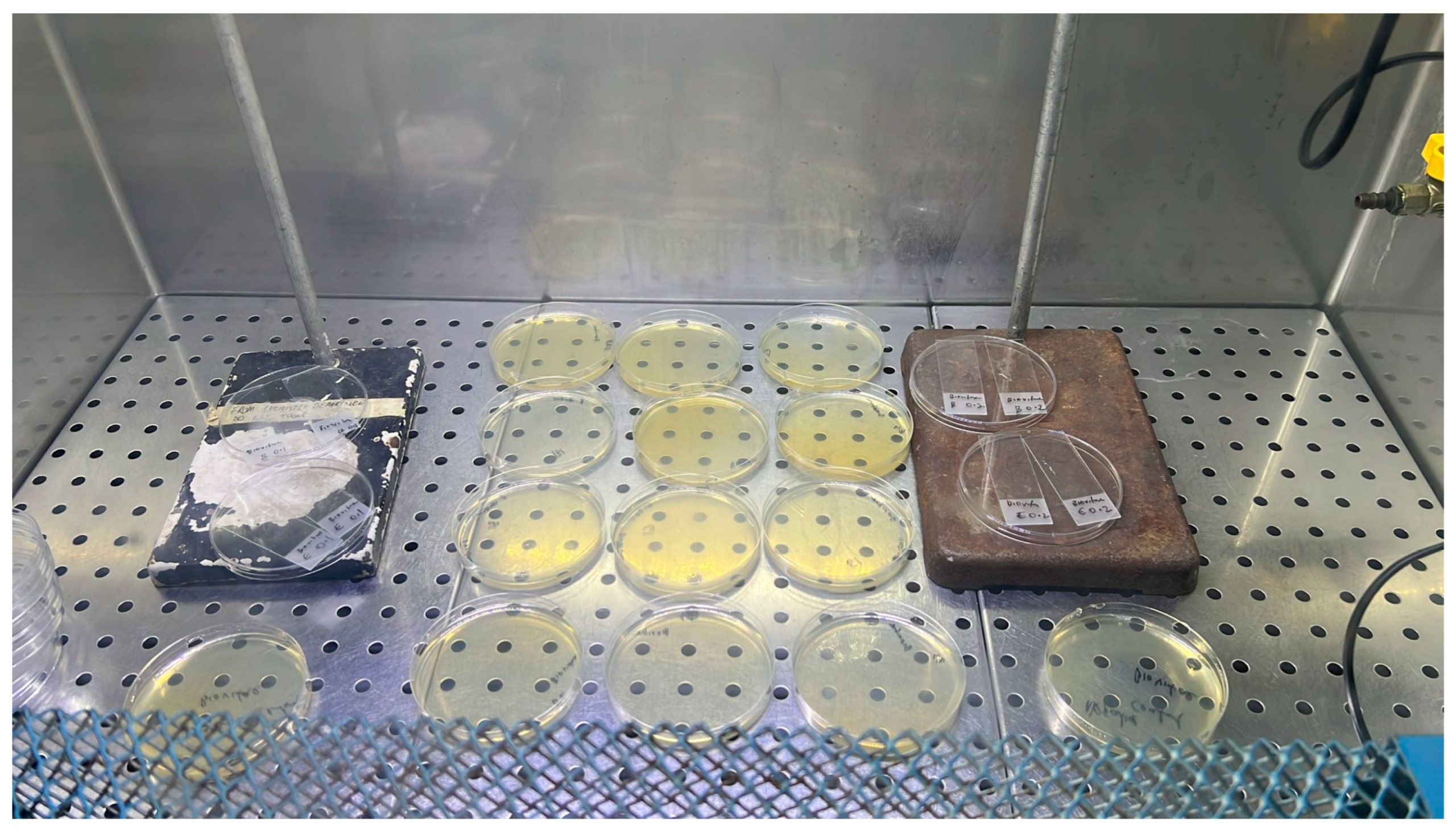
The study documented a time-dependent and reproducible bacterial reduction across all tested surfaces. On agar and solid surfaces, results showed a decrease from approximately 6 log CFU to 0 CFU over a 24-hour period, with flow cytometry confirming up to 99.9% cell death.
Effectiveness on realistic surfaces
Not only under laboratory conditions: tests carried out on glass and steel demonstrated strong bacterial reduction on materials commonly used in the food industry and healthcare environments, highlighting the technology’s high applicability in real-world settings.
Safety and suitability for occupied environments
As it is based on visible light (with no UV emission), the technology is safe for use in the presence of people and can operate continuously, representing a real paradigm shift compared to traditional sanitization methods.
Comprehensive experimental approach
The research also combined microbiological counts (CFU), flow cytometry, and testing on both liquid matrices and surfaces, making it a methodologically rigorous and well-structured study.
Confirmation of the biological mechanism
The study confirms the generation of ROS (Reactive Oxygen Species), which leads to damage to cellular components including membranes, proteins, and nucleic acids. This mechanism reduces the likelihood of bacterial resistance development.
Conclusion
These findings support the view that the future of sanitization is not “instantaneous,” but rather continuous, preventive, and sustainable over time. The study aims not only to demonstrate the effectiveness of Biovitae technology across multiple surfaces, but also to validate the real-world potential of these results.