A new peer-reviewed study published in Applied Microbiology and Biotechnology evaluated the effectiveness of visible light in the 400-420 nm range for the inactivation of Mycobacterium tuberculosis (Mtb), the bacterium responsible for tuberculosis.
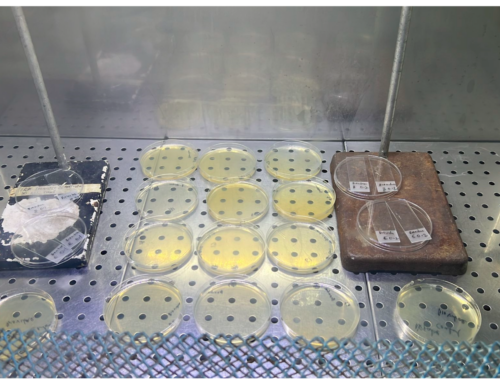
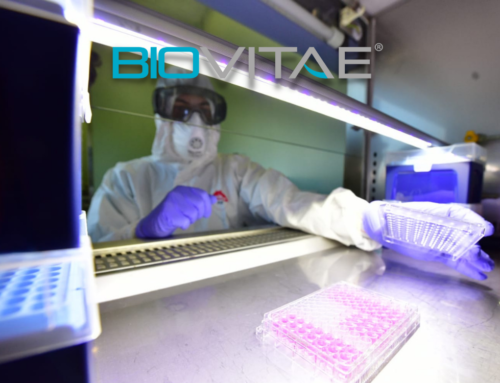
The research, conducted under BSL-3 biosafety conditions by the University of Rome Tor Vergata and IRCCS San Raffaele, tested UV-free visible LED exposure without external photosensitizers.
Biovitae LED technology was directly used as the light source during testing.
The challenge: environmental persistence and resistance
Mtb is characterized by:
- high environmental resilience
- prolonged surface survival
- increasing antibiotic resistance
These factors require continuous, safe, and deployable disinfection strategies.
The results
Samples exposed to visible light (400–420 nm) showed:
- significant reduction in bacterial viability
- 99% (>2-log) decrease in Mtb load
- clear dose-response relationship
- no chemicals or UV required
Inactivation occurred through photodynamic mechanisms, activating endogenous chromophores and generating reactive oxygen species (ROS).
Why it matters
Unlike UV-C or chemical disinfectants, visible light:
- can operate in occupied environments
- enables continuous use
- avoids toxicological risks
- integrates into standard lighting systems
Conclusions
The findings indicate that visible LED light may serve as a continuous, non-chemical, and safe environmental sanitization strategy, supporting infection control in healthcare settings and reducing the risk of tuberculosis transmission.
Source: D’Agostini et al., 2026. Photodynamic inactivation of Mycobacterium tuberculosis by broad‑spectrum visible light. Applied Microbiology and Biotechnology (peer-reviewed). https://doi.org/10.1007/s00253-026-13709-0